The new brunswick driving test is an essential step for anyone seeking to obtain a learner’s permit or a full driver’s licence in the province. Administered by Service New Brunswick, this test ensures that drivers have a thorough understanding of traffic laws, road signs, and safe driving practices. The purpose of the test is not only to meet legal requirements but also to promote road safety and responsible driving behavior among all motorists.
Driving in New Brunswick presents a variety of challenges due to its mix of urban areas, small towns, rural roads, and highways. Weather conditions, including snow, ice, fog, and rain, can change quickly and significantly affect road conditions. Wildlife such as deer and moose are also common on rural roads, requiring drivers to remain alert at all times. Completing the new brunswick driving test demonstrates that a driver possesses the knowledge and skills necessary to handle these conditions safely.
The roads in New Brunswick are a combination of busy urban streets, slower residential areas, and long stretches of highway, each requiring different driving strategies. Learning to adjust speed, maintain proper following distance, and anticipate hazards is key. By passing the new brunswick driving test, learners show that they understand the importance of situational awareness, defensive driving, and adherence to traffic rules.
Structure of the New Brunswick Driving Test
The new brunswick driving test consists of two major components: the knowledge (or written) test and the practical road test. Both components must be passed to progress in the licensing process, and each assesses a different set of skills critical for safe driving.
The knowledge test is a multiple-choice exam that measures understanding of traffic rules, road signs, speed limits, lane usage, and safe driving techniques. It is divided into two sections: one focusing on road sign recognition and the other on rules of the road. Learners must typically achieve a score of 80 percent or higher in both sections to pass. Thorough preparation is crucial for success, which is why studying the official handbook and taking practice tests are recommended before attempting the new brunswick driving test.
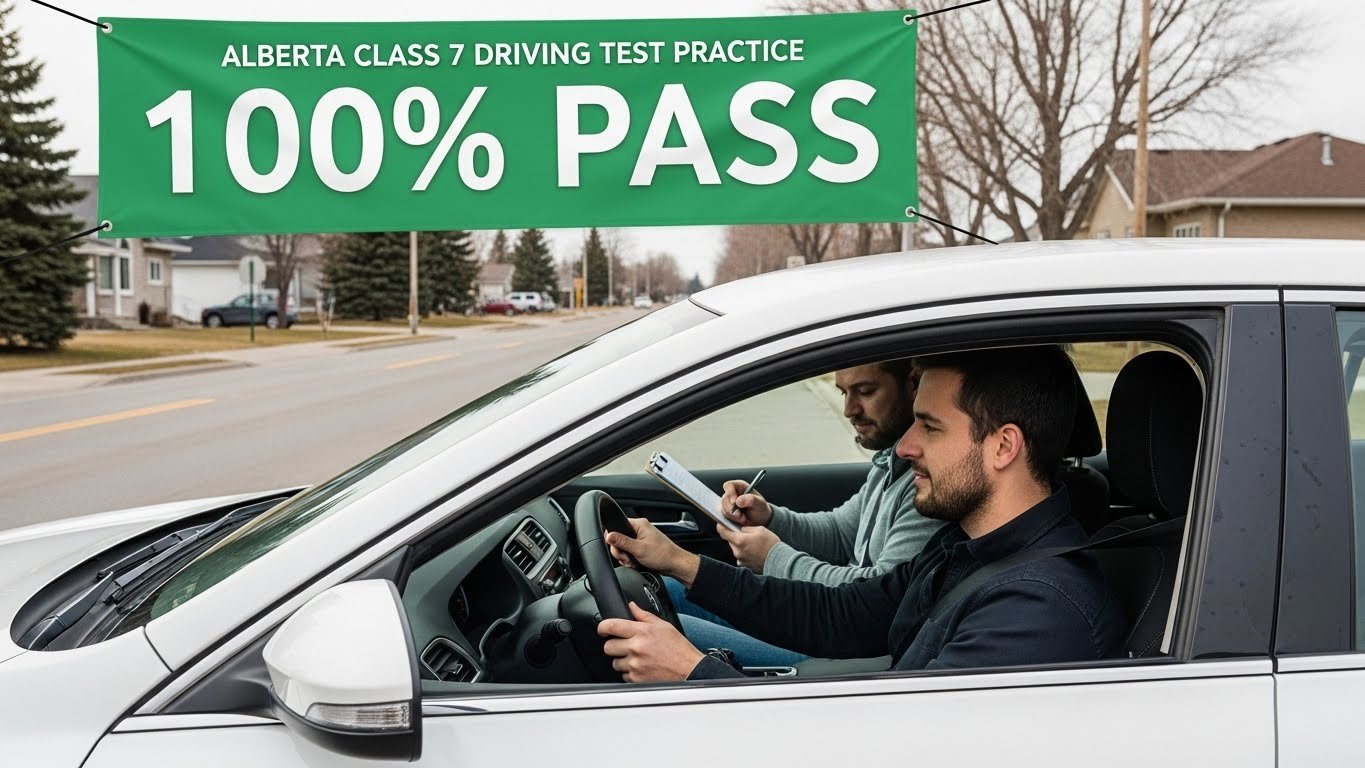
The practical road test evaluates a learner’s ability to operate a vehicle safely in real traffic conditions. This test includes driving in a variety of environments, such as city streets, residential areas, rural roads, and highways. Candidates are assessed on vehicle control, adherence to traffic laws, proper signaling, lane discipline, and the ability to anticipate and respond to hazards. Successfully completing the new brunswick driving test ensures that drivers are prepared for real-world driving scenarios.
Knowledge Test Preparation
Proper preparation is one of the most important factors in passing the new brunswick driving test. The first step is to study the official New Brunswick Driver’s Handbook. This handbook covers traffic rules, road signs, parking regulations, defensive driving strategies, and safe sharing of the road with pedestrians, cyclists, and other vehicles. Thorough reading and understanding of the handbook allow learners to confidently answer questions on the knowledge test and develop safe driving habits for the road.
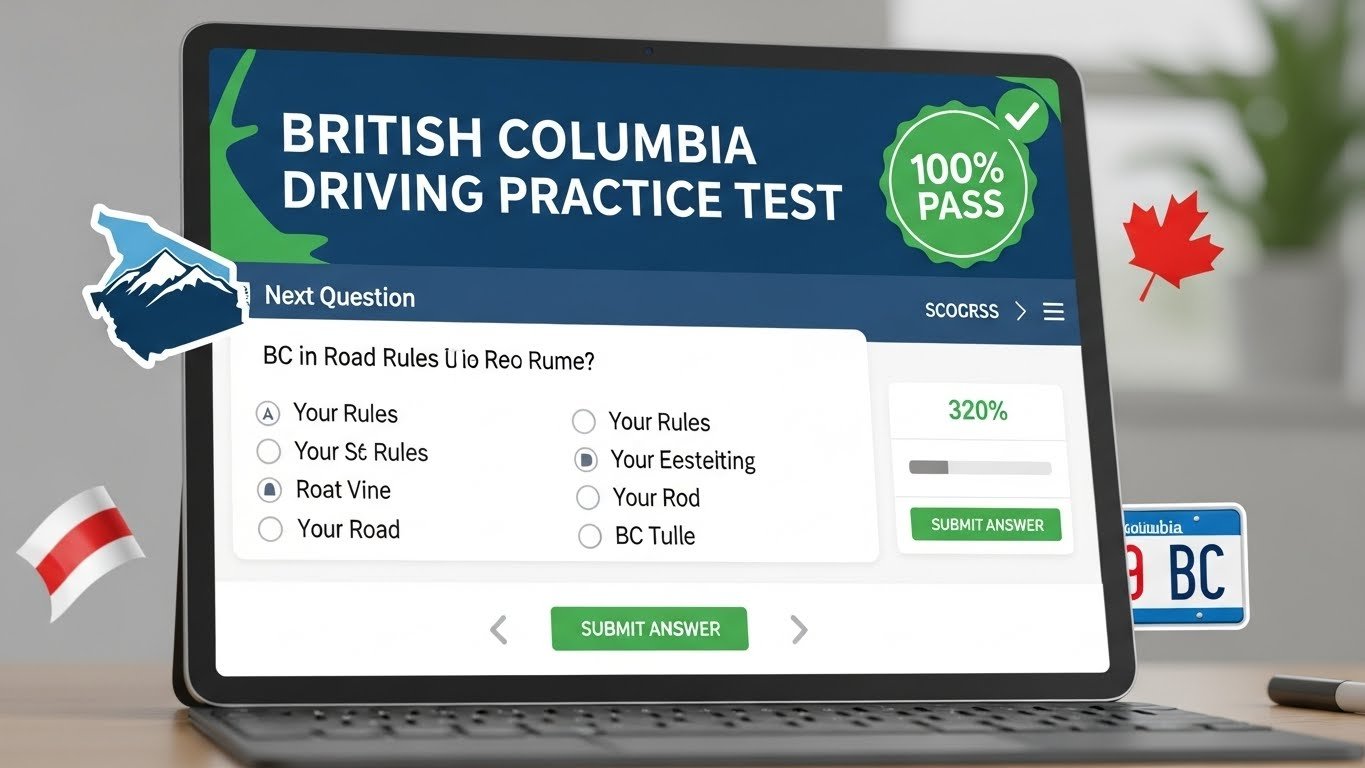
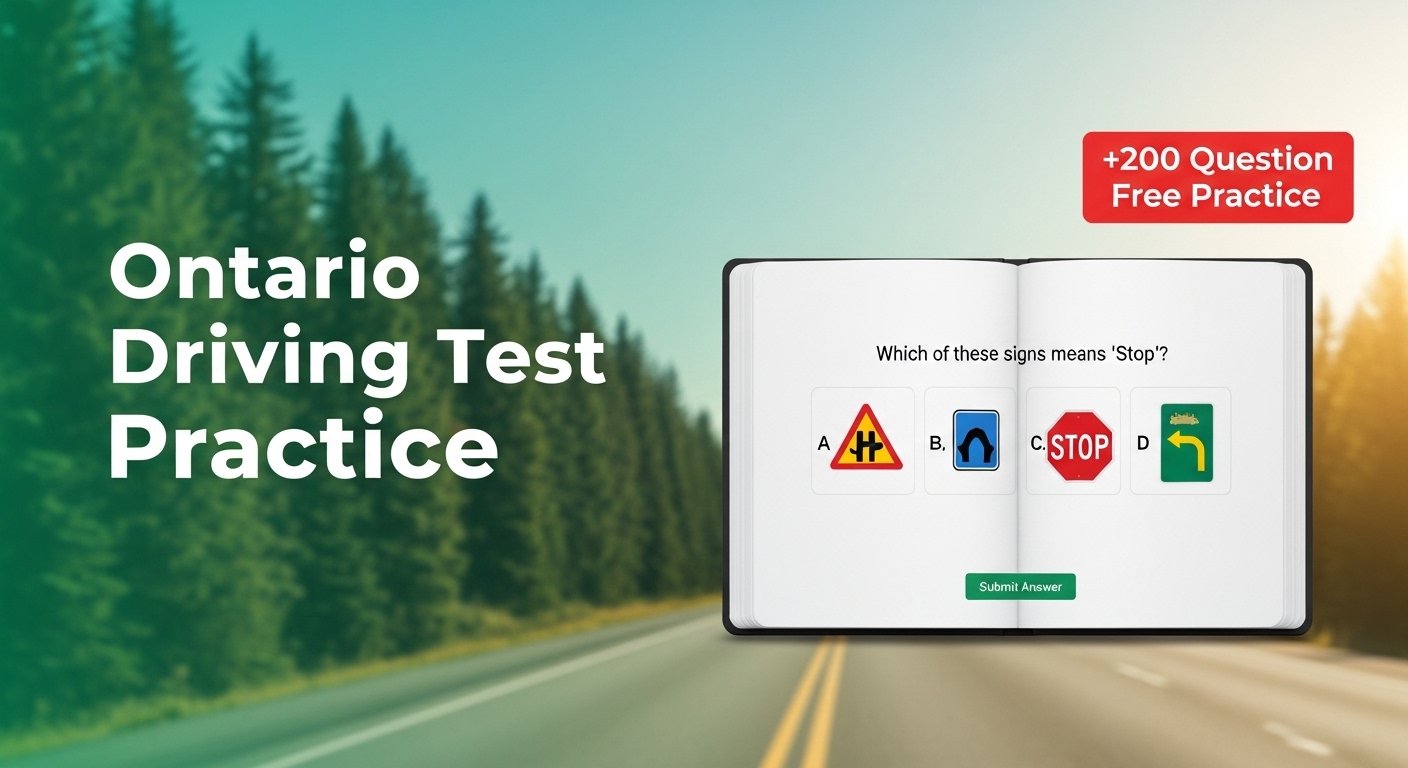
In addition to studying the handbook, many learners benefit from taking online practice tests. Free online platforms, such as Test2Go.ca, simulate the structure, question types, and difficulty of the official knowledge test. By practicing online, learners can identify areas where they need improvement, reinforce their knowledge, and increase confidence before taking the new brunswick driving test. Repeated practice allows learners to become familiar with multiple-choice questions and receive instant feedback, which helps in retaining information and understanding traffic rules more effectively.
The combination of studying the handbook and taking online practice tests ensures comprehensive preparation. First-time drivers, new residents transferring a licence from another province or country, and even returning drivers looking to refresh their knowledge can all benefit from this approach. Regular practice also helps learners manage time during the test, reduces anxiety, and improves overall performance on the new brunswick driving test.
Practical Driving Skills and Experience
While theoretical knowledge is critical, hands-on driving experience is equally important for passing the new brunswick driving test. Learners should practice driving in a variety of conditions, including urban traffic, residential streets, rural roads, and highways. They should also gain experience driving in different weather conditions such as rain, snow, and icy roads, as these factors affect vehicle control and reaction times.
During practice, learners should focus on proper use of mirrors, blind-spot checks, lane discipline, stopping at stop signs, obeying traffic signals, maintaining safe distances, and using turn signals correctly. These skills are closely evaluated during the practical road test portion of the new brunswick driving test. Practicing defensive driving, anticipating hazards, and handling unexpected situations on the road will prepare learners for both the test and real-life driving.
It is also essential for learners to practice responding to potential road hazards, such as sudden braking by other drivers, pedestrians stepping into crosswalks, and wildlife crossing rural roads. By simulating real-life driving scenarios during practice sessions, learners can develop the confidence and skill necessary to succeed on the new brunswick driving test and become safer drivers overall.
Common Mistakes to Avoid
Many learners fail the new brunswick driving test due to common, avoidable mistakes. These include rolling stops at stop signs, failure to yield the right-of-way, improper lane positioning, unsafe following distances, and not checking mirrors or blind spots before making maneuvers. Other frequent errors include speeding, failing to signal when turning or changing lanes, and hesitation in traffic situations.
Awareness of these mistakes allows learners to focus on areas that require improvement. Consistent practice, attention to detail, and guidance from experienced instructors can help correct these habits before the test. Avoiding these errors during both the knowledge and practical portions of the new brunswick driving test greatly increases the likelihood of passing on the first attempt.
Safe driving habits are critical not just for passing the test, but for long-term safety on the road. Learning to anticipate the actions of other drivers, maintain a calm and patient approach in traffic, and respond appropriately to hazards are all essential components evaluated during the new brunswick driving test.
Test Format, Licensing, and Conclusion
The knowledge portion of the new brunswick driving test consists of 40 multiple-choice questions: 20 questions cover road signs, while 20 focus on rules of the road. Learners must answer at least 32 questions correctly to pass. The test is available in both English and French, and it is taken at a Service New Brunswick centre for a fee of approximately $25 to $30. Passing this test allows learners to obtain a Class 7 Level 1 Learner’s Licence, the first stage toward a full Class 5 driver’s licence.
The practical portion evaluates real-world driving skills and is essential for completing the licensing process. Passing the road test confirms that drivers can operate a vehicle safely in various conditions and are prepared to handle urban, rural, and highway driving scenarios responsibly.
In conclusion, the new brunswick driving test is a critical milestone for anyone wishing to drive in the province. It ensures that drivers possess both the theoretical knowledge and practical skills needed to operate vehicles safely. Thorough preparation using the official handbook, online practice tests, and hands-on driving experience significantly increases the chances of success. By passing the new brunswick driving test, learners demonstrate that they are ready to drive responsibly, making New Brunswick’s roads safer for everyone.
Free Ontario Truck Practice Test 2026 1. written Practice Test Quiz (85 Questions) 2. Air brake test questions and Answers ( 60 Questions) 3. Sign Practice…