Alberta Traffic Signs – Complete Guide for Safe Driving
Alberta traffic signs are essential tools that help drivers navigate roads safely, follow the law, and avoid accidents. These signs are used across highways, city streets, and rural roads to provide clear instructions, warnings, and guidance. Understanding them is especially important for new drivers preparing for the Graduated Driver Licensing (GDL) program in Alberta.
Complete Guide to Alberta Traffic Signs
Traffic signs in Alberta are generally divided into three main categories:
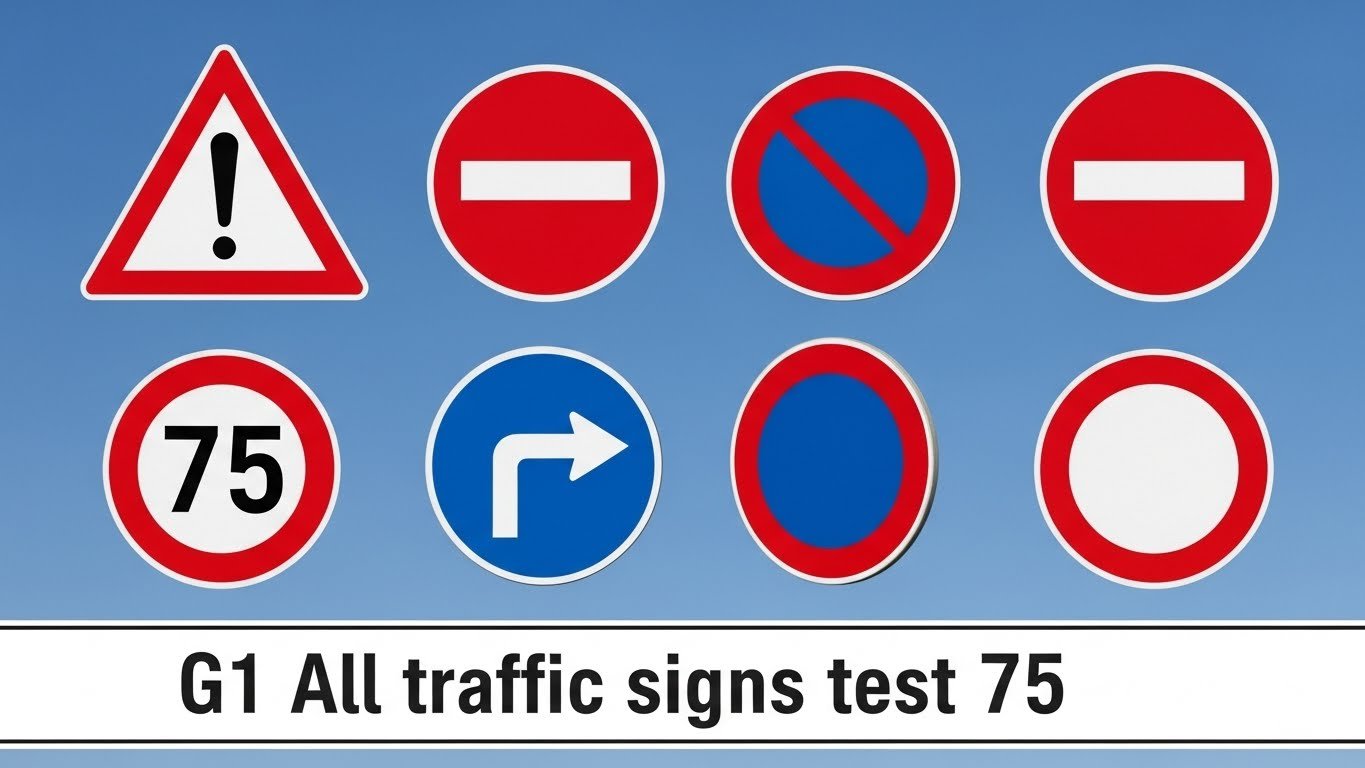
Regulatory Signs: These signs communicate rules that drivers must follow. Common examples include the Stop sign, which requires a complete stop at intersections; the Yield sign, which instructs drivers to give way to other vehicles or pedestrians; Speed Limit signs, which indicate the maximum legal speed; and One-Way or No Entry signs, which control traffic flow. Regulatory signs are usually red, white, and black, and ignoring them can result in fines or penalties.
Warning Signs: Typically yellow and diamond-shaped, warning signs alert drivers to potential hazards or changes in road conditions. Examples include curves ahead, intersections, pedestrian crossings, slippery roads, or animal crossings like deer or moose. These signs help drivers adjust speed and driving behavior to prevent accidents.
Guide and Informational Signs: These signs provide helpful information about directions, distances, and nearby services. They include highway route markers, destination signs, and service signs showing locations of gas stations, hospitals, rest areas, or lodging. Guide signs are often green, blue, or brown, depending on the type of information they provide.
Complete Guide to Alberta Traffic Signs
Additionally, Alberta uses temporary and construction signs, usually orange, to indicate roadwork, lane closures, or detours. Pavement markings, such as solid and broken lines, also complement signs by guiding lane use, passing, and stopping rules.
Knowing Alberta traffic signs is crucial not only for legal compliance but also for ensuring safety for yourself, passengers, and other road users. Familiarity with these signs will help drivers make better decisions, navigate safely, and confidently pass written and practical driving tests.
Manitoba Traffic signs and signals Practice pdf Manitoba Traffic Signs Manitoba traffic signs are designed to regulate traffic, warn drivers, and provide guidance. They use…