The Atlantic Region of Canada
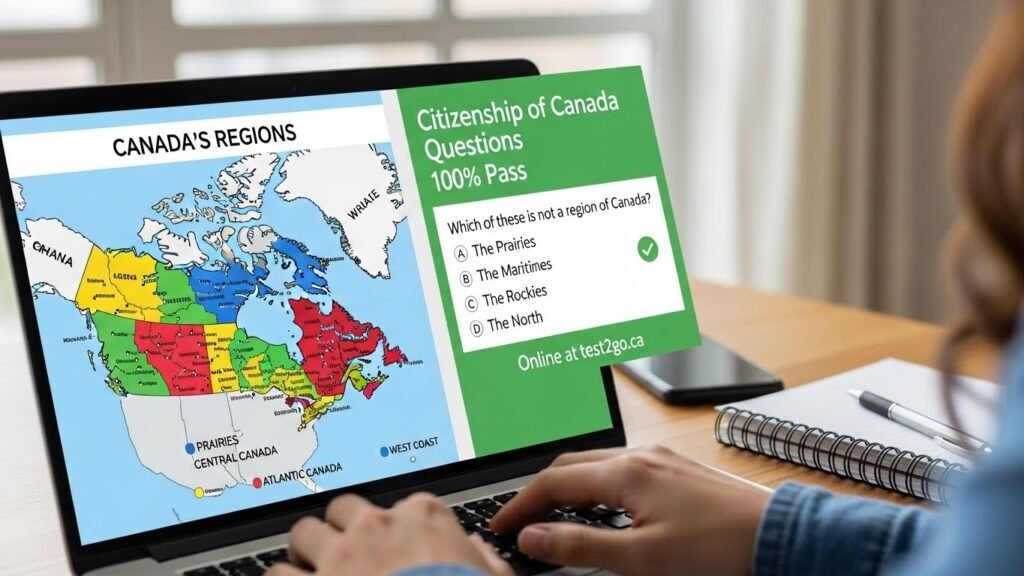
The Atlantic Region is located on the eastern edge of Canada and includes the provinces of Newfoundland and Labrador, Prince Edward Island, Nova Scotia, and New Brunswick. This region is shaped by the Atlantic Ocean, which has influenced its history, economy, and culture for hundreds of years. Fishing, shipbuilding, and seafaring traditions formed the foundation of early life, and while modern industries have grown, the maritime connection remains strong.
Newfoundland and Labrador is known for its rugged coastline, rocky cliffs, and remote coastal communities. Prince Edward Island, Canada’s smallest province, is famous for its red soil, fertile farmland, and its role as the birthplace of Confederation. Nova Scotia has a long naval history and one of the longest coastlines in the world, while New Brunswick is officially bilingual and home to the powerful tides of the Bay of Fundy.
Life in the Atlantic Region is often centered around community, tradition, and storytelling. Music, folklore, and family ties are deeply valued, and the slower pace of life reflects the region’s close relationship with nature and the sea. Indigenous peoples, including the Mi’kmaq, Inuit, and Innu, have lived in this region for thousands of years and continue to shape its cultural identity.
Understanding this region is important for learners preparing for Citizenship questions practice free, as it demonstrates how geography influenced early settlement and economic development. The Atlantic provinces also played a key role in Canada’s path to Confederation. Studying their history helps explain how regional cooperation and compromise helped build the nation. Knowledge of this area is essential when reviewing Citizenship questions practice free, especially topics related to history, geography, and cultural diversity. The Atlantic Region also appears frequently in Citizenship questions practice free materials because of its foundational role in Canadian history.
Quebec: Language, Culture, and Heritage
Quebec is Canada’s largest province by land area and is distinct due to its strong French identity. French is the official language, and the province has preserved its cultural traditions since the establishment of New France in the early 1600s. This makes Quebec unique within Canada and central to the country’s bilingual character.
Quebec City, the provincial capital, is one of North America’s oldest cities and features historic walls, narrow streets, and European-style architecture. Montreal, the largest city in the province, is a major cultural, economic, and educational center. It is known for its diversity, creativity, and vibrant arts scene.
Quebec’s economy is diverse and includes manufacturing, aerospace, technology, forestry, and hydroelectric power. The province generates a significant amount of renewable energy, making it a leader in sustainable power. Rivers and natural resources have played a major role in Quebec’s economic growth and settlement patterns.
Culturally, Quebec contributes greatly to Canadian literature, film, music, and philosophy. Festivals and public celebrations reinforce a strong sense of identity and pride. Understanding Quebec is essential when studying Citizenship questions practice free, as it highlights bilingualism, civil law, and cultural preservation. Many Citizenship questions practice free focus on Quebec’s role in Confederation and its influence on Canadian federalism. Learning about Quebec also prepares candidates for Citizenship questions practice free that address language rights and national unity.
Ontario: Canada’s Political and Economic Center
Ontario is Canada’s most populous province and plays a central role in national life. It is home to Ottawa, the capital of Canada, and Toronto, the country’s largest city. Ontario’s population size and economic strength give it significant influence over political decisions and national policy.
Geographically, Ontario is diverse, ranging from fertile farmland in the south to forests, lakes, and mineral-rich areas in the north. The province contains parts of the Great Lakes system, which has supported transportation, trade, and industrial growth for centuries.
Ontario’s economy includes finance, manufacturing, technology, healthcare, education, and automotive production. Toronto is one of the most multicultural cities in the world, reflecting Canada’s immigration history and global connections. People from many backgrounds live and work together, making Ontario a strong example of multiculturalism in action.
Education and research are also major strengths of the province, with universities and institutions known worldwide. Ontario’s role in Confederation, governance, and law makes it especially important for those studying Citizenship questions practice free. Many Citizenship questions practice free focus on federal institutions located in Ontario and the province’s contribution to democracy. Understanding Ontario’s influence also supports success in Citizenship questions practice free related to government structure and civic responsibility.
The Prairie Provinces: Agriculture and Resources
The Prairie Provinces consist of Manitoba, Saskatchewan, and Alberta. This region is known for its flat landscapes, open skies, and fertile farmland. Agriculture has long been the backbone of the Prairie economy, with large-scale production of wheat, canola, and other crops.
Manitoba serves as a bridge between eastern and western Canada, with Winnipeg as a major transportation and cultural hub. Saskatchewan is strongly associated with farming and natural resources, while Alberta is known for its oil and gas industry, which has played a significant role in Canada’s energy sector.
Indigenous peoples lived on the Prairies long before European settlement, and their cultures remain vital today. Later waves of immigrants from Europe contributed farming skills and traditions that helped shape the region’s identity. Cities such as Calgary and Edmonton have grown into modern urban centers with strong economies.
The Prairie Provinces are important for understanding regional perspectives, especially when studying Citizenship questions practice free that address economic development and natural resources. The region’s history of cooperation and resilience also appears in Citizenship questions practice free related to Canadian values and shared responsibilities.
British Columbia: Nature and Global Connections
British Columbia is located on Canada’s west coast and is famous for its dramatic natural scenery. Mountains, forests, rivers, and the Pacific Ocean define the province’s geography and influence daily life. This environment has shaped industries such as forestry, fishing, tourism, and film production.
Vancouver is the largest city in British Columbia and one of Canada’s most internationally connected cities. Its Pacific location makes it an important gateway for trade with Asia. The province’s ports and transportation networks are vital to Canada’s economy.
British Columbia is also known for its strong environmental awareness and outdoor lifestyle. Many residents enjoy activities such as hiking, skiing, and kayaking. Indigenous cultures are especially prominent, with many First Nations preserving languages, traditions, and governance systems.
Learning about British Columbia is useful for Citizenship questions practice free, particularly topics related to trade, immigration, and Indigenous history. The province’s diversity and global connections also support preparation for Citizenship questions practice free focused on modern Canada.
The Northern Territories: Land, People, and Responsibility
Canada’s Northern Territories include Yukon, Northwest Territories, and Nunavut. These regions cover a vast area but have small populations due to extreme climate and remote geography. Despite this, the North holds great importance for Canada’s identity and future.
Nunavut was created in 1999 to provide greater self-governance for Inuit people. Indigenous cultures, languages, and traditions are central to life across the North. Respect for the land and sustainable living are essential due to the fragile environment.
The northern economy includes mining, government services, tourism, and traditional activities such as hunting and fishing. Climate change has had a strong impact on the region, affecting wildlife, transportation, and daily life.
Understanding the North is essential when preparing for Citizenship questions practice free, as it highlights Indigenous rights, environmental stewardship, and Arctic sovereignty. Many Citizenship questions practice free include questions about the territories and Canada’s responsibility to protect northern lands and cultures.