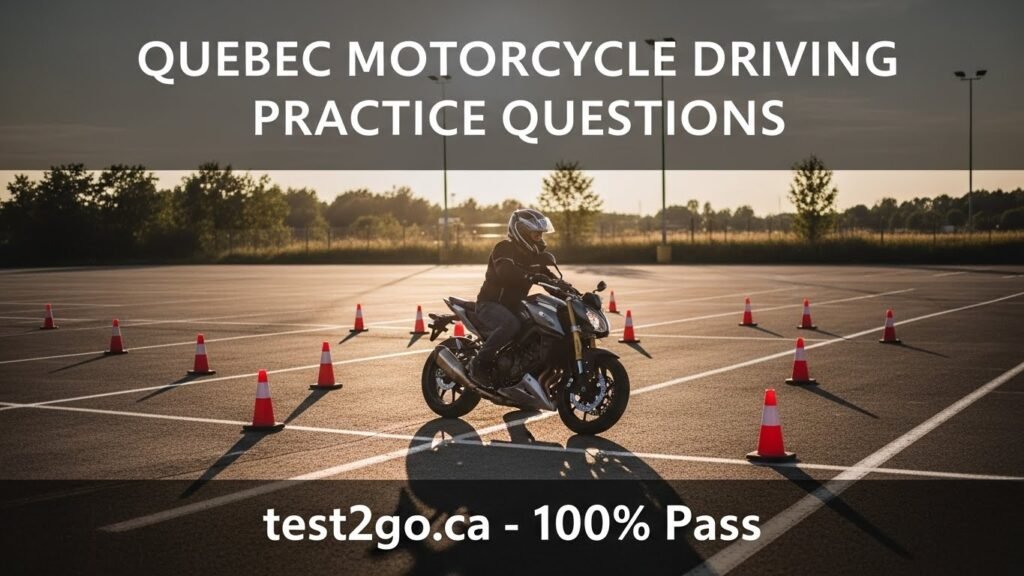
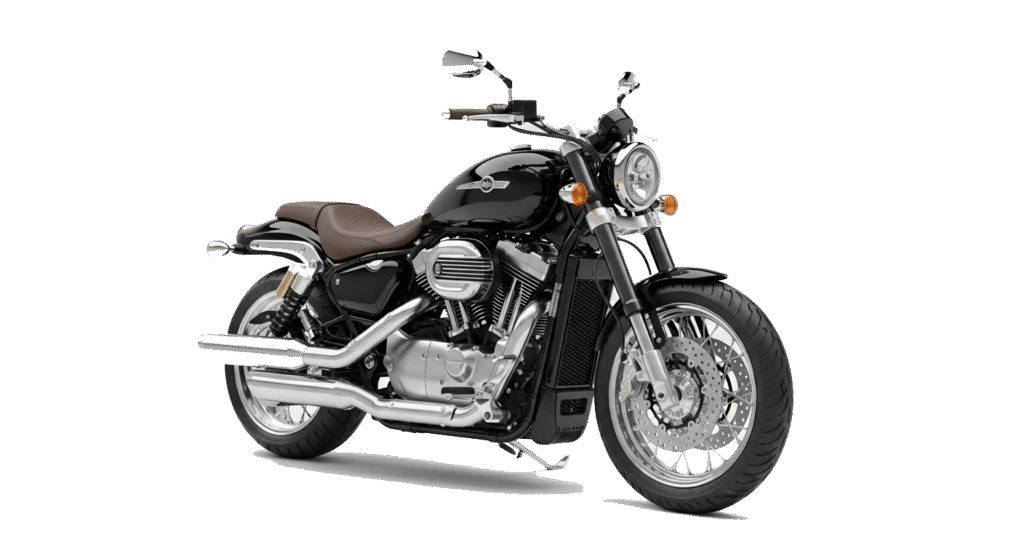
TheQuebec motorcycle driving test evaluates both your knowledge of traffic rules and your ability to operate a motorcycle safely. Motorcycle riders face unique challenges, including smaller vehicle size, less stability, and increased vulnerability on the road. The test ensures riders understand laws, safety precautions, and proper riding techniques.
There are two main parts of the test:
Written Knowledge Test – Covers traffic laws, road signs, and motorcycle-specific rules.
Practical Road Test – Evaluates your ability to handle a motorcycle in real traffic and perform maneuvers safely.
Licensing Requirements
Quebec uses a graduated motorcycle licensing system:
Learner Motorcycle Licence (Class 6L): Must pass a written knowledge test and complete a motorcycle training course. Learners cannot carry passengers and must display an “L” decal.
Probationary Licence (Class 6P): Allows riding alone with restrictions such as zero alcohol tolerance and limited riding hours.
Full Motorcycle Licence (Class 6): Granted after passing the practical road test and completing the probation period.
Completing mandatory training courses is highly recommended, especially for beginners.
Motorcycle-Specific Safety Rules
Motorcycles require extra precautions compared to cars:
Wear protective gear: Helmet, gloves, jacket, pants, and boots.
Maintain visibility: Use headlights even during the day.
Keep safe following distances: Motorcycles require longer stopping distances in emergencies.
Avoid blind spots: Other drivers may not see motorcycles easily.
Safety gear and proper positioning significantly reduce the risk of injury.
Speed and Road Rules
Motorcycle riders must follow the same traffic laws as other drivers:
Obey posted speed limits.
Adjust speed according to weather, traffic, and road conditions.
Slow down in school zones, construction areas, and communities.
Watch for slippery conditions during rain, snow, or ice.
Motorcycles are less stable than cars, so speed management is critical.
Intersections and Right-of-Way
Riding safely at intersections is vital:
Yield to pedestrians at crosswalks.
Yield to vehicles already in the intersection.
Yield to vehicles coming from the right at uncontrolled intersections.
Always be cautious of turning vehicles—they may not see motorcycles.
Motorcycles are harder to see, so extra vigilance is required.
Lane Positioning
Proper lane use keeps riders visible and safe:
Ride near the center or left side of your lane to maximize visibility.
Avoid riding on the edge of the lane where debris or water collects.
Maintain a lane position that allows room to maneuver in emergencies.
Lane positioning is a major focus in the road test.
Turns and Signaling
Clear signaling communicates your intentions:
Signal well before turning or changing lanes.
Cancel signals after completing the maneuver.
Use hand signals if motorcycle indicators fail.
Proper signaling is crucial to prevent collisions.
Defensive Riding
Motorcycle riders must always ride defensively:
Assume other drivers may not see you.
Anticipate sudden stops, lane changes, or doors opening.
Avoid riding alongside large vehicles for long periods.
Keep a buffer space around your motorcycle at all times.
Defensive riding reduces the risk of accidents.
Braking and Stopping Techniques
Motorcycles require controlled braking:
Use both front and rear brakes simultaneously for maximum stopping power.
Avoid sudden braking that could cause skidding.
Adjust braking for wet or icy conditions.
Proper braking is tested during the practical exam.
Motorcycle Maneuvers for the Road Test
The Quebec road test evaluates several maneuvers:
Slow-speed control: Riding smoothly at low speeds without putting your foot down.
Emergency stops: Stopping safely and quickly in a controlled manner.
Obstacle avoidance: Swerving or braking to avoid hazards safely.
Turning and U-turns: Performing controlled turns within lane boundaries.
Successful completion requires smooth, precise control of the motorcycle.
Night and Adverse Weather Riding
Riding at night or in bad weather requires special precautions:
Wear reflective gear to improve visibility.
Reduce speed and increase following distance.
Avoid sudden braking or sharp turns.
Use headlights and signal early.
These practices ensure safety and are evaluated in knowledge questions.
Alcohol and Drug Restrictions
Motorcyclists must follow strict impaired driving rules:
Zero tolerance for learners and probationary riders.
Operating under the influence of alcohol or drugs is illegal and severely penalized.
Even small amounts of alcohol can drastically reduce reaction time on a motorcycle.
Questions on impaired riding are common on the written test.
Motorcycle Maintenance Rules
Safe riding also depends on a well-maintained motorcycle:
Check tire pressure and tread regularly.
Inspect brakes, lights, mirrors, and signals before each ride.
Keep the chain or belt properly lubricated and adjusted.
Ensure fuel levels are adequate for your trip.
Maintenance is part of responsible motorcycle ownership.
Study Tips for the Quebec Motorcycle Test
Review the Highway Safety Code sections specific to motorcycles.
Memorize road signs and their meanings.
Practice slow-speed maneuvers, emergency stops, and turns.
Always choose answers emphasizing safety and caution.
Take motorcycle training courses—they improve knowledge and practical skills.
Summary
The Quebec motorcycle driving test emphasizes safety, control, and awareness. Riders must understand traffic laws, motorcycle-specific hazards, defensive riding, and proper vehicle maintenance. By mastering these rules and practicing skills, learners can pass the written and practical tests and ride safely on Quebec roads.
Canada government citizenship test Click here The Justice System – Canada Citizenship Test Guide Canada’s justice system ensures that laws are upheld, rights are protected,…
The motorcycle test in Canada is a provincial/territorial process that evaluates both the knowledge and practical riding skills of a rider before issuing a motorcycle…