Driving in Nunavut presents unique challenges that differ significantly from other provinces and territories in Canada. With vast stretches of remote roads, harsh winter conditions, and limited services in many areas, drivers must be highly knowledgeable and prepared. Whether you are a first-time driver, transferring a license from another province, or updating your skills, proper preparation is essential. Using resources and structured practice for the Nunavut driving test Canada can significantly improve your chances of success and promote safe driving habits in this unique territory.
1. Overview of Driving in Nunavut
Nunavut is Canada’s largest territory, covering over 2 million square kilometers, but it is sparsely populated. Communities are often separated by long distances, and roads connecting settlements are limited. Most driving occurs within towns or along seasonal ice roads, while long-distance travel frequently involves air or boat transportation.
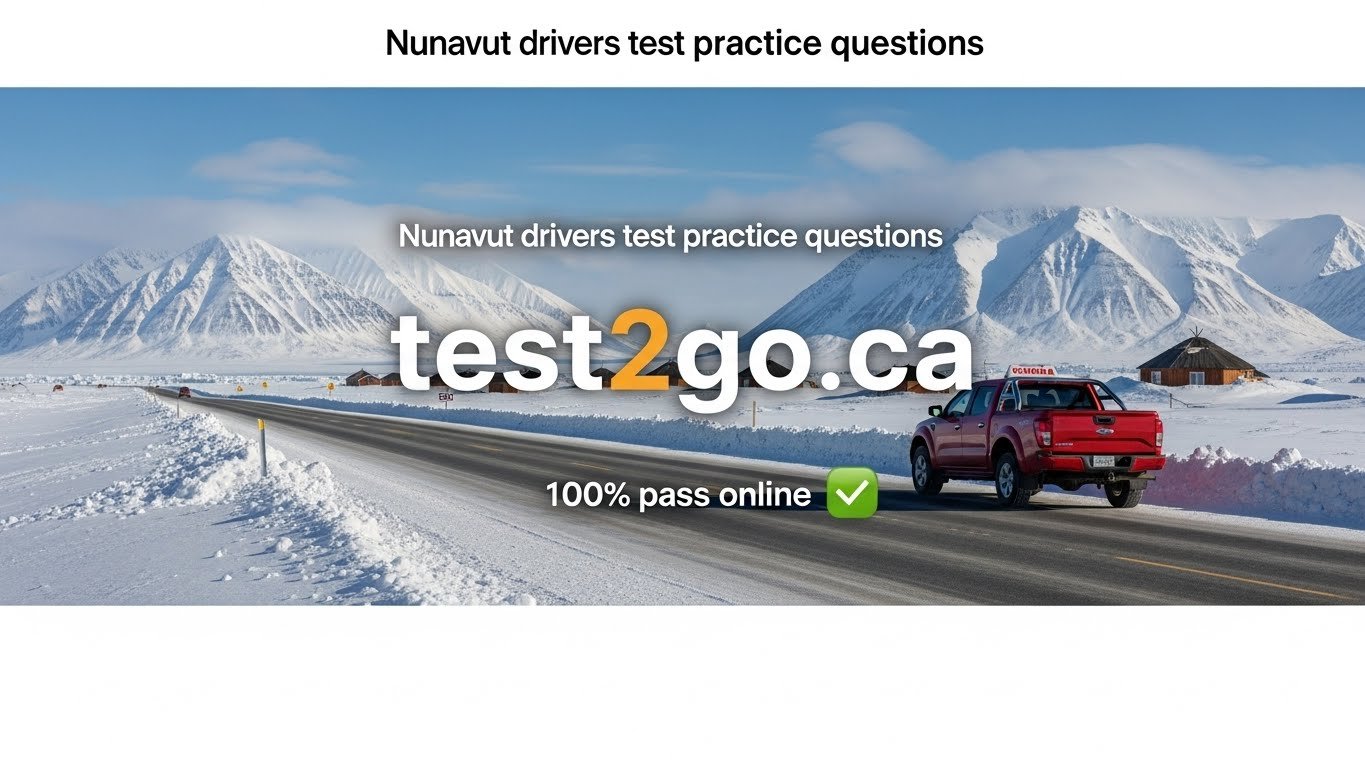
Drivers in Nunavut face unique conditions, including icy and snow-covered roads, reduced visibility during winter, and extreme cold temperatures. Wildlife, including caribou and polar bears in some areas, can also pose hazards along roadways. Understanding these challenges is critical when preparing for the Nunavut driving test Canada, as questions often cover environmental awareness, defensive driving, and hazard perception specific to northern conditions.
Urban driving in communities such as Iqaluit requires careful attention to traffic lights, pedestrians, and residential streets, while rural and remote driving demands skills in vehicle control, emergency preparedness, and navigation in low-traffic areas. Preparing for the Nunavut driving test Canada ensures learners are equipped for both urban and remote driving conditions.
2. Licensing System in Nunavut
Nunavut uses a Graduated Driver Licensing (GDL) system similar to other Canadian territories. Understanding this system is a crucial part of the Nunavut driving test Canada, as many questions focus on licensing stages, restrictions, and responsibilities.
Learner’s Permit (Class 7)
Minimum age: 16 years old
Requirements: Pass the knowledge test and vision screening
Restrictions: Must be accompanied by a fully licensed driver, zero alcohol tolerance, and no handheld device use
Probationary Licence (Class 5-P)
Granted after successfully completing the road test
Restrictions include zero alcohol tolerance, maintaining a clean driving record, and sometimes limits on passengers
Full Licence (Class 5)
Full driving privileges with a legal alcohol limit of 0.08% BAC
No special restrictions for passenger numbers or road use
Using Nunavut driving test Canada resources helps learners understand these licensing stages and ensures they can answer questions about restrictions, alcohol limits, and driver responsibilities. It also prepares candidates for both the knowledge and practical components of the exam.
3. Road Rules and Traffic Regulations
Road rules in Nunavut follow Canadian standards, but learners must be aware of territory-specific regulations for the Nunavut driving test Canada. These include:
Speed Limits:
Urban areas: 50 km/h
Rural roads: 80 km/h
Highways: 90–100 km/h
School zones: 30–50 km/h (posted)
Seat Belts: Mandatory for all passengers; drivers are responsible for children and young passengers
Alcohol and Drugs: Zero tolerance for learners and probationary drivers
Mobile Devices: Handheld use while driving is prohibited; hands-free systems are permitted
The Nunavut driving test Canada evaluates understanding of proper lane usage, signaling, pedestrian safety, and correct procedures for passing, intersections, and emergency situations. Mastery of these rules is essential for success on both the written and road tests.
Other questions in the Nunavut driving test Canada may involve hazard perception, wildlife encounters, winter driving, and sharing the road with larger vehicles such as trucks or snow removal equipment. Preparing thoroughly ensures that learners are ready for real-world driving scenarios.
4. Preparing for the Knowledge Test
The knowledge test is a multiple-choice exam that assesses understanding of traffic laws, road signs, and safe driving practices. Proper preparation is critical for the Nunavut driving test Canada.
Key strategies for preparation include:
Studying the Nunavut Driver’s Handbook, which covers road rules, traffic signs, driving hazards, and defensive driving strategies
Taking online and in-person practice tests, which simulate real exam questions and scenarios
Reviewing seasonal hazards, including snow, ice, fog, and sudden wildlife appearances
Using structured Nunavut driving test Canada practice helps learners identify areas of weakness, reinforce understanding, and improve confidence. Many online platforms provide simulated tests that mirror the official knowledge exam, including questions on right-of-way, school zones, intersections, and winter safety.
Practicing these tests repeatedly improves memory retention, increases speed and accuracy in answering questions, and reduces test-day anxiety. By combining theoretical study with practical examples, learners are better prepared for the full Nunavut driving test Canada experience.
5. Practical Road Test Skills
The practical road test evaluates the driver’s ability to operate a vehicle safely in real-life conditions. Key skills assessed in the Nunavut driving test Canada include:
Vehicle control, including acceleration, braking, and steering
Lane positioning, signaling, and observing road signs
Checking mirrors and blind spots regularly
Responding to pedestrians, cyclists, and wildlife
Driving safely in urban, rural, and icy or snow-covered conditions
Due to Nunavut’s unique driving environment, learners must practice driving in various conditions, including:
Snow and ice during winter months
Wet and slippery roads during summer thaw
Low-visibility situations such as fog or blizzards
Practicing these scenarios helps learners handle potential emergencies safely. Using structured Nunavut driving test Canada practice, combined with supervised hands-on driving, prepares candidates to demonstrate competence, confidence, and safety during the practical road test.
6. Common Mistakes and Safety Tips
Many learners fail the Nunavut driving test Canada due to preventable mistakes. Common errors include:
Rolling stops at stop signs or traffic lights
Failing to yield the right-of-way
Unsafe lane changes or improper passing
Not checking mirrors or blind spots
Driving too fast or too slow for road or weather conditions
To avoid these errors, candidates should:
Focus entirely on driving at all times
Adjust speed for road conditions, weather, and visibility
Maintain safe following distances
Practice defensive driving techniques and hazard recognition
Gain experience in both urban and remote road conditions
Safety is particularly critical in Nunavut due to wildlife, extreme weather, and long stretches of road without immediate access to help. Structured Nunavut driving test Canada practice emphasizes hazard perception, emergency preparedness, and proper vehicle control, ensuring learners are ready for both the knowledge and road tests.
In addition, regular practice using Nunavut driving test Canada online tools allows learners to familiarize themselves with exam formats, test scenarios, and common question types. This preparation reduces anxiety, increases confidence, and reinforces safe driving habits.
Conclusion
The Nunavut driving test Canada is a vital step for anyone seeking to become a responsible driver in one of Canada’s most unique territories. From understanding licensing stages to mastering road rules, practicing knowledge test questions, and gaining hands-on experience, thorough preparation ensures both safety and success.
Drivers in Nunavut face unique challenges, including remote roads, extreme winter conditions, and wildlife hazards. Using structured Nunavut driving test Canada practice enables learners to develop the skills, knowledge, and confidence required for these conditions.
By combining theoretical study with supervised driving practice and simulated test scenarios, learners are better prepared to pass the Nunavut driving test Canada on the first attempt. Regular use of practice resources ensures a solid understanding of safe driving principles, promotes hazard awareness, and develops lifelong responsible driving habits.
Passing the Nunavut driving test Canada is not only a legal requirement but also a critical step toward ensuring personal safety and the safety of others on Nunavut’s challenging roads. Diligent preparation, consistent practice, and real-world experience make it possible to achieve success and enjoy the independence and freedom that comes with being a licensed driver in Nunavut.
The Nunavut driving test Canada is more than just an exam; it is a foundation for safe, confident driving in one of Canada’s most extraordinary and challenging environments. Proper preparation ensures that drivers are ready to navigate both urban streets and remote highways with skill, caution, and confidence.